Great Park wildlife signage campaign gains support as residents push for action
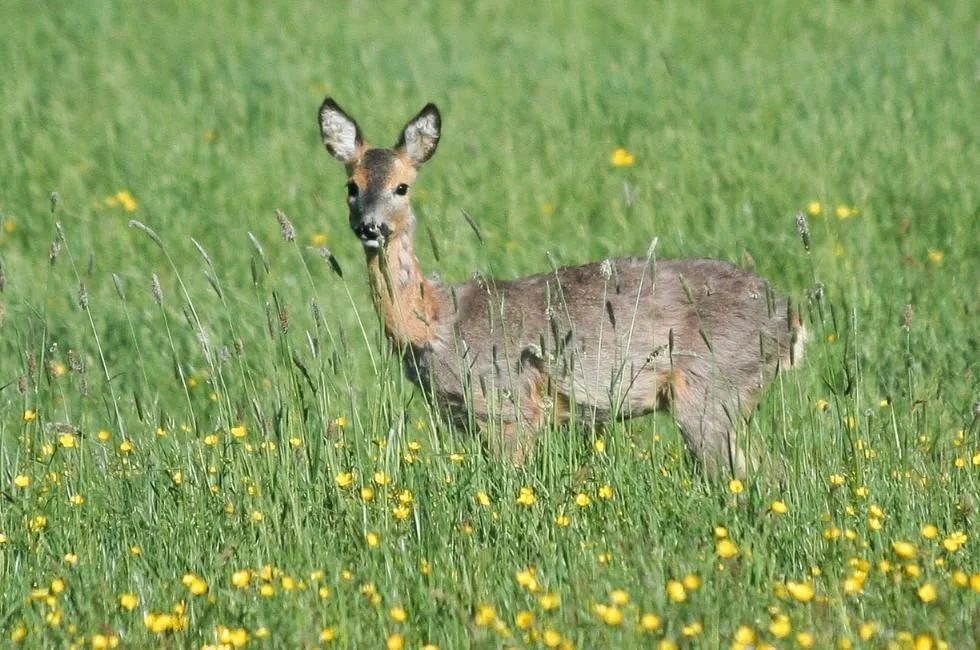
Deer
A growing group of residents, councillors and wildlife organisations is working together to secure additional wildlife protection and responsible dog ownership signage across the green spaces of Newcastle Great Park.

Residents have regularly raised concerns about dogs chasing deer, disturbance to wildlife, dogs running off lead through sensitive habitats and dog fouling being left behind.

While progress has already been made on roadside deer warning signs, campaigners say the main challenge remains securing suitable signage within Great Park’s privately managed open spaces.


A growing community campaign

Questions have been raised by residents about whether progress is being made behind the scenes.

The answer is yes.

A number of residents, councillors and wildlife organisations are now involved, with different people pursuing the issue through Newcastle City Council, Traffic Management, local councillors, wildlife groups, Kingston Open Spaces, Newcastle Great Park Management Company and other relevant organisations.


Jules Robinson

Great Park resident Jules Robinson has been campaigning for improved wildlife signage for a considerable period of time and has put a significant amount of work into the issue.

Over a number of months, Jules has contacted Newcastle City Council, Traffic Management, councillors and other organisations in an effort to improve awareness and protection for wildlife around Great Park.

That persistence has resulted in Newcastle City Council agreeing to install three roadside deer warning signs on adopted roads around Great Park.

Those signs are currently progressing through the ordering and installation process.

The agreement represents an important step forward, although the roadside signs do not address the separate issue of signage within the estate’s open green spaces, where many of the concerns relating to uncontrolled dogs, dog fouling and disturbance to wildlife are reported.


Donna Rawling

Donna Rawling has also been actively supporting the campaign.

She has been involved in discussions with residents and councillors and has helped push for improved wildlife protection and greater awareness across Great Park.


David Down

Hazlerigg Parish Councillor David Down has also been involved in discussions around the issue.

The Great Park Residents Group has spoken with David several times, and he has been extremely supportive of efforts to improve signage.

He has discussed the issue at length and has also helped raise awareness through the parish council.


Northumberland Wildlife Trust

The campaign has also been raised with Lucy Ingham, Communities Officer at Northumberland Wildlife Trust.

Lucy explained that she does not have the authority to approve or install signage herself, but has kindly offered to support the campaign where she can.

More recently, she asked for details of the organisations and individuals already contacted, along with information about the progress made so far, so that she could gain a clearer understanding of where the campaign currently stands.


Save Newcastle Wildlife

Rachel Locke from Save Newcastle Wildlife has also become involved following a lengthy telephone conversation about the issues affecting wildlife around Great Park.

Rachel agrees that additional wildlife signage would be beneficial and is now trying to help move the issue forward through her own contacts and experience.

The conversation was extremely positive, and campaigners say it is encouraging to have the support of someone with Rachel’s wildlife conservation knowledge and experience.


Kingston Open Spaces

Kingston Open Spaces was formally contacted in April with a request for additional dog fouling signs, responsible dog ownership signs and wildlife protection signage within the open spaces.

Unfortunately, despite repeated emails, no proper response has been received.


Newcastle Great Park Management Company

Newcastle Great Park Management Company has also been contacted directly regarding the possibility of installing wildlife and responsible dog ownership signage within the green spaces.

No response has yet been received.


What has been achieved so far?

The biggest success to date is Newcastle City Council’s agreement to install three deer warning signs on adopted roads entering Great Park.

This is a direct result of Jules Robinson’s persistence and work over many months.

However, campaigners say the main issue remains unresolved.

The open green spaces themselves are privately managed, meaning Newcastle City Council cannot simply install signage within those areas.

These are also the locations where residents regularly report seeing:

• Dogs chasing deer
• Dogs disturbing wildlife
• Dogs running off lead through sensitive habitats
• Dog fouling being left behind

Campaigners believe these are the areas where carefully positioned signs promoting responsible behaviour could have the greatest impact.


Why the campaign matters

Those involved are keen to stress that the campaign is not about criticising dog owners.

The overwhelming majority of dog owners across Great Park are responsible and care deeply about the local environment and wildlife.

The aim is to improve awareness among the relatively small number of people whose actions can nevertheless have a significant impact on deer and other wildlife.

Simple, well-positioned signage reminding people to keep dogs under control around wildlife and clean up after their pets could help protect wildlife while allowing everyone to continue enjoying Great Park’s open spaces.


Rachel Locke: wildlife under increasing pressure

Rachel Locke of Save Newcastle Wildlife says the issues at Great Park form part of a much wider challenge facing wildlife across Newcastle.

She said:

“Wildlife is being forced into ever decreasing areas in Newcastle, as green spaces and wildlife corridors are paved over or fenced off.

“This ongoing loss of habitat and severance of wildlife corridors is leading to a lack of opportunities for animals to disperse successfully across the wider landscape and has devastating consequences, not just in terms of increased levels of roadkill and heightened levels of recreational disturbance from humans and domestic pets, but in terms of reducing the gene pool in breeding populations.

“It is also reducing opportunities for people to connect with nature in their immediate environment. Less than 10 years ago we had a breeding population of red squirrels in Newcastle. Now they’re gone.

“We have been calling for greater awareness, including signage, as well as for the removal of unnecessary fencing in wildlife corridors, particularly in areas of Newcastle Great Park, for several years now.

“More recently, we have also been calling for an end to the excessive use of glyphosate herbicides on vast areas of public land in Newcastle Great Park.

“Sadly, there appears to be a distinct lack of regard from Newcastle Great Park and Newcastle City Council for protecting wildlife in Newcastle.

“We very much hope that calls from multiple groups will result in meaningful action to safeguard wildlife across Newcastle.”


Who is currently working on the campaign?

There are now several people attempting to move the issue forward through different routes, including:

• Jules Robinson
• Donna Rawling
• Lucy Ingham
• Rachel Locke of Save Newcastle Wildlife
• The Great Park Residents Group administrator

Between them, they have been contacting Newcastle City Council, Traffic Management, councillors, wildlife organisations, Kingston Open Spaces, Newcastle Great Park Management Company and other relevant organisations in an effort to secure suitable signage.


A genuine community effort

What began as concerns raised by individual residents has increasingly developed into a wider community effort.

Progress can sometimes feel slow, particularly where responsibility is divided between public authorities and private management organisations, but those involved say they will continue to pursue every available route.

Thanks have also been expressed to the many residents who have offered support, shared information, reported incidents or simply taken the time to discuss what they have witnessed around Great Park.

Further updates will be shared as the campaign develops.

The aim remains simple: to help make Great Park an even better place for residents while protecting the wildlife that makes the area so special.